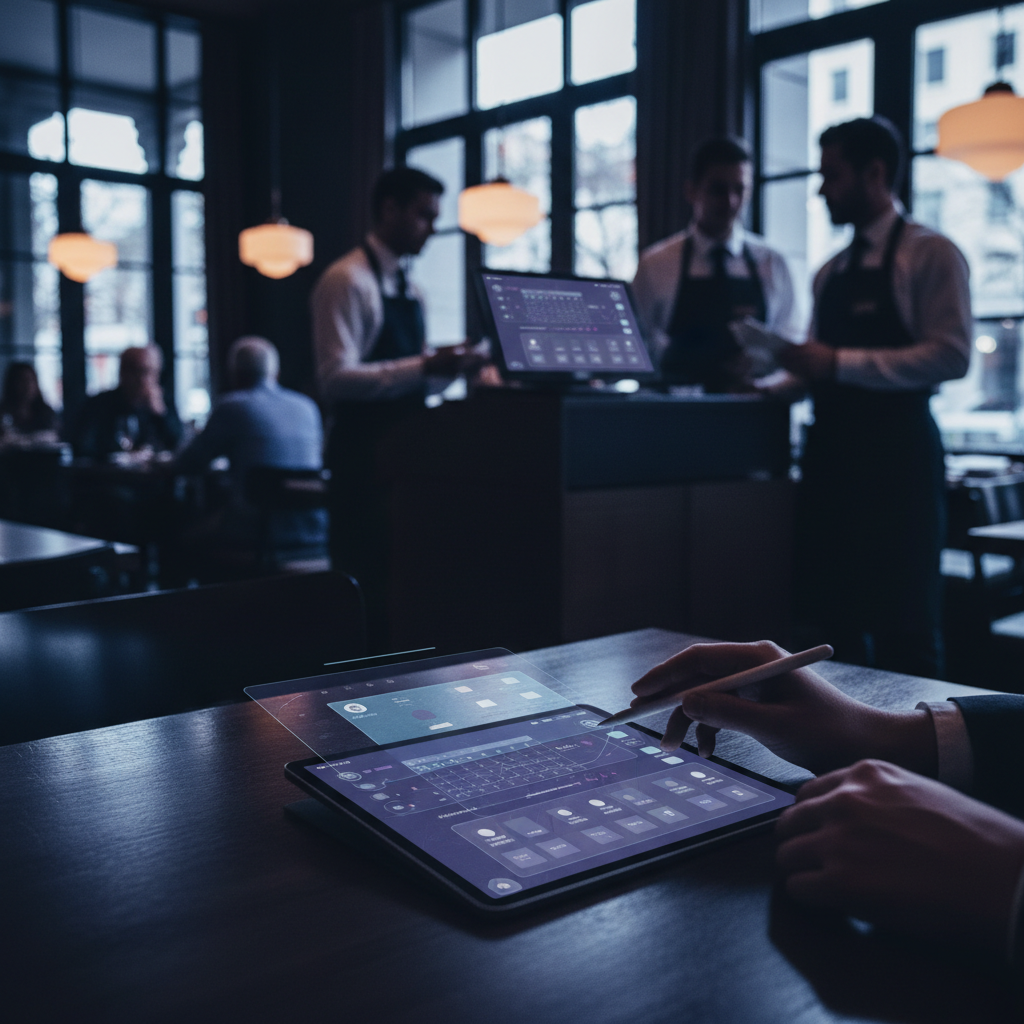
Best Table Reservation Systems for Restaurants
The best table reservation system depends on how your restaurant actually runs service. A small neighborhood restaurant needs a different booking setup than a high-volume venue, a fine dining room, or a multi-location hospitality group.
Build a loyalty program your customers will actually use
See Loop.fans Loyalty & RewardsWhat Makes a Good Table Reservation System
Need a free booking system for your restaurant? Try our free restaurant booking system — Online reservations with table management and automatic confirmations.
- Reliable booking flow: guests should be able to reserve quickly and confidently.
- Table control: staff need an accurate view of availability and pacing.
- Mobile usability: many guests book from phones, so mobile UX matters.
- Operational visibility: confirmations, modifications, and no-show risk need to be manageable.
Popular Options
Systems like OpenTable, Resy, Tock, and lighter-weight booking widgets all serve different needs. The best choice is the one that matches your booking complexity and service model rather than the biggest brand in the category.
How to Choose
If your venue handles relatively simple bookings, a clean lightweight system is often enough. If your operation depends heavily on timed seating, prepayments, waitlist management, or guest profiles, a stronger reservation platform pays for itself fast.
Why Online Reservations Are Now a Guest Expectation
The shift from phone reservations to online booking wasn't gradual — it was decisive. Today, the majority of guests under 40 prefer to book a table online, and a significant portion will choose a different restaurant rather than call during limited business hours. If your restaurant still relies primarily on phone reservations, you're not just losing convenience points — you're losing bookings to competitors who've made the process easier.
Online reservation systems also benefit you operationally. They reduce no-shows through automated reminders, capture guest data for your CRM, and give you a real-time view of your reservation book without staff needing to manage a phone line during service.
What to Look for in a Restaurant Reservation System
Not all reservation platforms are built equally. Here's what matters when evaluating your options:
- Ease of use for guests: The booking flow should be fast and frictionless on mobile. Every additional tap or field reduces conversion rates.
- Automated reminders: SMS and email reminders sent 24–48 hours before a reservation can cut no-show rates by 20–40%. This feature alone pays for most systems.
- Table and floor management: Good systems let you manage your floor plan digitally, track turn times, and optimize seating across a service period.
- Guest data capture: The best systems store notes about guest preferences, dietary restrictions, and visit history — turning every reservation into a personalization opportunity.
- Integration with your POS and loyalty program: A reservation system that connects with your point-of-sale and loyalty platform (like Loop.fans) creates a unified guest profile that improves every interaction.
- Cost and fee structure: Some platforms charge per cover, others charge flat monthly fees. Understand how costs scale as your volume grows.
Free vs. Paid Reservation Systems: What You Actually Get
Several free or low-cost reservation tools exist for restaurants, and they can be a good starting point. However, free plans typically come with limitations that become significant as you grow:
- Limited bookings per month before fees kick in
- Basic or no floor management tools
- Minimal guest data retention
- No integration with POS or loyalty systems
- Platform branding on your booking widget
For high-volume or growth-oriented restaurants, the operational efficiency and guest experience improvements of a full-featured paid system typically deliver strong ROI. Even a modest reduction in no-shows can offset the monthly cost.
Connecting Reservations to Your Loyalty Program
Your reservation confirmation flow is one of the highest-engagement touchpoints you have. A guest who just booked a table is excited about their visit — that's the perfect moment to introduce your loyalty program. Loop.fans enables restaurants to add loyalty sign-up prompts to reservation confirmation emails, letting guests earn points for their upcoming visit before they even arrive.
This connection transforms a transactional confirmation into the beginning of a loyalty relationship. Over time, guests who enroll through the reservation flow have higher lifetime value than those who don't — they're already planning to return, and your loyalty program gives them an additional reason to.
Managing Walk-Ins Alongside Online Reservations
Online reservations don't mean you can't accommodate walk-ins — it just requires a more disciplined floor management approach. Most successful systems set aside a percentage of capacity for walk-ins, use waitlist technology for overflow, and train hosts to communicate wait times accurately and confidently.
Digital waitlist tools let walk-in guests receive a text when their table is ready, rather than hovering near the host stand. This improves the guest experience and reduces the perception of wait time — guests feel more free to browse nearby or sit at the bar when they're not anchored to the entrance.
Frequently Asked Questions About Restaurant Reservations
How far in advance should I open reservations?
Most casual and mid-range restaurants open reservations 2–4 weeks in advance. Fine dining restaurants often extend this to 30–60 days. Opening too far in advance can lead to more no-shows; too close in limits planning for guests with busy schedules.
What's the best way to reduce no-shows?
Automated SMS or email reminders sent 24–48 hours before the reservation are the single most effective intervention. Some restaurants also take a credit card at booking with a cancellation policy — effective for high-demand times but can reduce overall booking volume.
Free loyalty program — no app download needed for customers
See Loop.fans Loyalty & RewardsDo I need a reservation system if I'm a small restaurant?
Even small restaurants benefit from basic reservation management. The guest data capture, no-show reduction, and operational clarity of a digital system typically outweigh the cost, even at low volumes.
Building a Stronger Restaurant Business Through Better Systems
Running a restaurant is one of the most operationally demanding businesses in any industry. Margins are thin, staff turnover is high, and guest expectations continue to rise. The restaurants that thrive long-term tend to share a common trait: they invest in systems that make the guest experience consistently excellent while reducing the operational burden on their teams.
Whether that means a better menu management process, a smarter reservation system, a loyalty program that turns one-time visitors into regulars, or a digital presence that converts browsers into bookings — every improvement to your systems compounds over time. Small wins stack up into meaningful competitive advantages.
The Role of Digital Tools in Modern Restaurant Operations
The restaurant technology landscape has expanded dramatically. Tools that were once only available to large chains — digital menu management, loyalty programs, online ordering, automated marketing — are now accessible and affordable for independent operators. The challenge is knowing which tools actually move the needle and which ones add complexity without delivering value.
The most impactful digital investments for most restaurants fall into a few categories:
- Guest-facing tools: Your website, online ordering, reservation system, and digital menu are what guests interact with before and during their visit. These directly affect conversion and experience.
- Marketing and retention tools: Email marketing, loyalty programs, and social media presence are how you stay connected with guests between visits and bring them back.
- Operational tools: POS systems, inventory management, and scheduling software reduce friction and error in day-to-day operations.
- Analytics: Understanding what's working — which menu items, which promotions, which channels — is essential for making good decisions with limited resources.
How Loop.fans Fits Into the Restaurant Ecosystem
Loop.fans is built for restaurants that want to go beyond transactional loyalty. Traditional stamp cards and basic points programs reward spend only. Loop.fans enables you to reward the full range of valuable guest behaviors: visits, referrals, user-generated content, reviews, and social sharing.
The platform is designed to be lightweight for guests (no app download required) and powerful for operators. You can set up your program, define what earns points, and configure rewards in minutes. The data you collect — who your most engaged guests are, what brings them back, what they share — becomes a valuable asset for making smarter marketing decisions.
What Guests Actually Want from Restaurant Technology
Guest research consistently shows that technology is welcome when it makes their experience easier or better — and unwelcome when it adds friction or feels impersonal. The highest-rated digital touchpoints in restaurants are:
- Online reservations and waitlist tools that reduce uncertainty
- Digital menus that are easy to navigate and include photos
- Mobile payment options that speed up the end-of-meal experience
- Loyalty programs that recognize them and offer rewards they actually want
The lowest-rated are often the reverse: clunky interfaces, confusing loyalty programs with unreachable rewards, and technology that replaces human interaction without delivering a better experience in its place.
Practical Next Steps for Restaurant Operators
If you're looking to strengthen your restaurant's digital foundation, a practical starting point is to audit your current guest touchpoints: How easy is it for someone to find you online? How simple is the reservation process? Does your loyalty program actually drive repeat visits? Is your menu easy to read on a phone?
Identify the biggest gap and address it first. Trying to overhaul everything simultaneously rarely works — you end up with half-implemented systems and a team that's overwhelmed. One well-executed improvement, measured and refined, creates momentum for the next.
Frequently Asked Questions
What's the most impactful technology investment for a small restaurant?
For most small restaurants, the combination of a clean, mobile-optimized website with integrated online ordering or reservations delivers the fastest ROI. These tools directly increase revenue and reduce the operational friction of managing bookings and orders manually.
How do I choose the right loyalty program for my restaurant?
Start by identifying what behavior you most want to encourage — repeat visits, referrals, social sharing — and find a platform that makes those things easy to reward. Ease of enrollment for guests and ease of management for your team should both be high on your criteria list.
Is it worth investing in digital tools for a restaurant that already has strong word-of-mouth?
Strong word-of-mouth is an asset — and digital tools amplify it. A loyalty program gives your advocates a reason to refer friends, a digital menu gives them something easy to share, and a good website converts the referrals they send into actual bookings.
Also on Loop.fans: Build your restaurant's online presence with our AI website builder for restaurants — includes CRM, loyalty, and online booking in one place.
Getting the most out of best table reservation systems for restaurants: advanced tips and next steps
Use data to refine continuously
Track which menu items generate the most revenue per square foot of prep space, not just which sell the most units. High-margin, low-effort items deserve prominent placement; low-margin, high-complexity items should be reviewed regularly.
Connect menu strategy to loyalty
Your best-selling items are your loyalty program's best promotional tools. Offering a free version of your most popular dish as a reward drives redemptions, visibility, and word-of-mouth far more effectively than a generic discount.
Test incrementally, not all at once
Menu changes are experiments. Change one section at a time, give it 4–6 weeks, and measure the impact on total covers, spend per head, and reorder rate before making the next change.
Optimize for operational rhythm
The best menus are designed with kitchen flow in mind. Items that share prep components, cooking methods, or timing reduce service friction and improve consistency — especially during peak hours.
Ready to get started?
Start your free restaurant loyalty program — Free to start. No customer app download required.