Customer Retention Playbook for Consumer Brands
Every brand knows that retention matters. Most brands still underinvest in it. The average DTC brand loses 70–80% of new customers after their first purchase — not because the product is bad, but because there's no structured system to bring them back. This playbook gives you that system: the specific tactics, mechanics, and measurement frameworks that consumer brands use to turn one-time buyers into loyal, high-LTV customers.
Build a loyalty program your customers will actually use
See Loop.fans Loyalty & RewardsThe Retention Economics Every Brand Should Know
Want to calculate the ROI of a loyalty program? Try our free loyalty ROI calculator — See the revenue impact in minutes.
The numbers make the case for retention investment clearly:
- A 5% increase in customer retention increases profits by 25–95% (Bain & Company)
- Repeat customers spend 67% more than first-time buyers on average
- The cost of acquiring a new customer is 5–7× the cost of retaining an existing one
- Your top 20% of customers typically generate 80% of your revenue
- Loyal customers are 5× more likely to repurchase, 4× more likely to refer, and 7× more likely to try a new product
The retention math is simple: brands that hold on to customers for longer make dramatically more money, even at identical acquisition rates. Every percentage point of retention improvement compounds over time.
The Customer Retention Playbook: Six Core Tactics
Tactic 1: Nail the Post-Purchase Experience
The 72 hours after a first purchase are the highest-leverage retention window you'll ever have. The customer just made a decision — now they're watching for signals that it was the right one. Most brands waste this window with a generic order confirmation.
What works: a personalized post-purchase sequence that (1) confirms the order with genuine enthusiasm, (2) sets clear expectations on delivery, (3) provides a taste of the brand experience (a relevant piece of content, a founder story, a behind-the-scenes look), (4) introduces the loyalty program and its immediate value, and (5) follows up after delivery to confirm satisfaction. This five-touch sequence converts first-time buyers into second-purchase intent at significantly higher rates than a single confirmation email.
Tactic 2: Launch a Loyalty Program That Actually Rewards Behavior
A points-for-purchases program is the floor, not the ceiling. The most effective retention loyalty programs reward the full range of behaviors that build brand relationships: reviews, referrals, UGC creation, community participation, and social sharing — not just transactions. When customers earn recognition for being part of your brand's world, not just for spending money, loyalty deepens beyond the transactional.
Design your loyalty program with these principles: a short time-to-first-reward (3–5 purchase cycles maximum for an entry-level reward), a tiered structure that creates aspiration for higher status, and meaningful milestone rewards that customers talk about. See the complete framework in the ultimate guide to loyalty programs.
Tactic 3: Personalize Every Communication
Generic batch emails are a retention liability. Customers who receive communications that feel relevant to their specific purchase history and behavior engage at dramatically higher rates than those receiving identical mass sends. Minimum personalization for a consumer brand retention program:
- Product recommendations based on purchase history (not just bestsellers)
- Replenishment reminders for consumable products based on actual purchase timing
- Birthday and anniversary offers (sent in advance, not on the day)
- Tier progress updates that feel personal ("You're 200 points from Gold — here's how to get there")
- Win-back campaigns triggered by inactivity, not batch scheduled
Tactic 4: Build a Win-Back System
Customer churn is inevitable. The difference between brands with strong retention rates and those with poor ones is often the win-back system. A well-designed win-back sequence reaches customers at their most recoverable moments: 30 days of inactivity (early intervention), 60 days (moderate intervention with a compelling offer), and 90 days (high-effort intervention or graceful exit).
Win-back messages that work don't start with a discount — they start with a reason to care. What's new since they last visited? What have they missed? What reward are they about to lose? Use your knowledge of their purchase history to make the message feel relevant, not desperate.
Tactic 5: Create Community Around Your Brand
The most durable retention mechanism is community. Customers who have social relationships within your brand community — who know other customers, have status they've earned, and contribute to shared experiences — are dramatically harder to lose than those in purely transactional relationships. When a customer is thinking about switching brands, they're not just leaving a product. They're leaving people and a community that matters to them.
Building community doesn't require a large team or complex platform. A well-moderated private Facebook group, a Discord server, or a brand-built community platform can all work. The key is genuine programming: regular challenges, recognition of contributors, behind-the-scenes access, and spaces for customers to connect with each other around shared interests. See building brand communities that drive revenue.
Tactic 6: Make Referral Part of Your Retention Stack
Referral programs serve double duty: they acquire new customers AND deepen existing customer loyalty. When a customer successfully refers a friend, two things happen. The friend becomes a new customer. And the referrer's commitment to the brand deepens — because they've now publicly advocated for it and their credibility is attached to the recommendation. Referral is one of the most effective retention tools that most brands classify purely as an acquisition channel.
Design your referral program with retention in mind: offer referrers a meaningful reward (not just a minor discount), make the referral experience shareable and easy, and celebrate successful referrals publicly within your community and loyalty program.
Retention Measurement: The Metrics That Matter
Customer Retention Rate
The percentage of customers who make at least one additional purchase in a given period. Track this at 30, 90, 180, and 365 days from first purchase to understand where you're losing customers and at what stage of the relationship.
Free loyalty program — no app download needed for customers
See Loop.fans Loyalty & RewardsRepeat Purchase Rate
The percentage of one-time buyers who become two-time buyers. This is typically the most impactful retention metric for consumer brands — because the jump from one to two purchases is where most brands lose the most customers, and where retention programs deliver the most value.
Customer Lifetime Value (LTV)
Average revenue per customer over their full relationship with your brand. Track LTV by acquisition channel (loyalty program members vs. paid acquisition vs. referral) — the differences will immediately show you where to focus your retention investment.
Churn Rate
The percentage of customers who don't return within your defined churn window (typically 90–180 days for consumer brands). Track cohort churn rates to understand whether your retention efforts are improving over time.
Retention Metrics That Matter for Consumer Brands
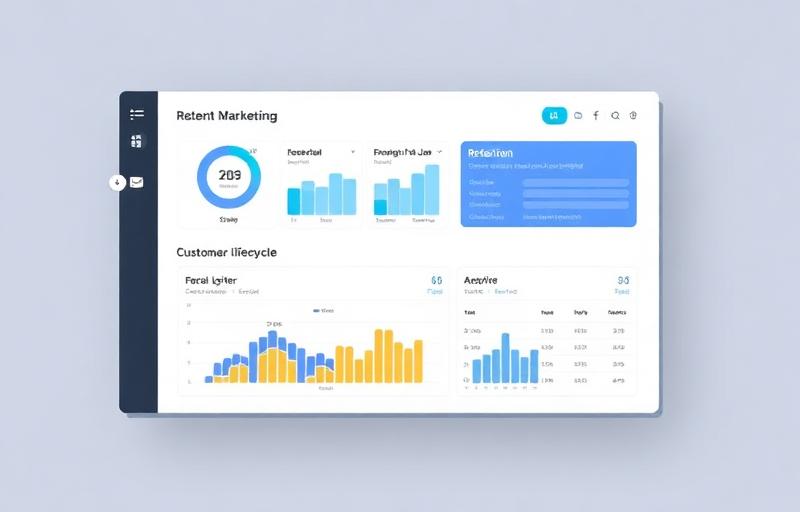
The retention playbook above gives you the strategy. To execute it with precision, you need a clear set of KPIs that tell you whether your efforts are working — and where to adjust. These six metrics form a practical retention dashboard for any consumer brand:
- Churn rate: The percentage of customers who stop purchasing within a defined window (typically 90–180 days, depending on your category). For DTC brands, monthly churn between 5–10% is common. Below 5% is strong; above 15% signals a systemic problem. Track churn by cohort (the month a customer was acquired) rather than as a single average — this reveals whether your retention improvements are compounding over time.
- Net revenue retention (NRR): Revenue from existing customers in a period, including expansion (upsells, cross-sells) minus contraction and churn. For subscription brands, NRR above 100% means your existing customer base is growing even without new acquisitions. For non-subscription brands, track repeat purchase revenue as a percentage of total revenue — aim for above 40%.
- Customer lifetime value (CLV): The total revenue a customer generates over their relationship with your brand. Calculate CLV by acquisition channel: customers acquired through referrals and loyalty programmes typically show 25–50% higher CLV than paid acquisition channels. Use CLV to inform how much you can invest in retention without eroding margins.
- Repeat purchase rate: The percentage of customers who make two or more purchases within 12 months. Benchmarks vary by category — consumables and beauty typically target 30–40%, while fashion and accessories target 20–30%. The biggest retention opportunity for most brands is the gap between first and second purchase, where 60–70% of customers drop off.
- Net Promoter Score (NPS): A leading indicator of retention. Customers who rate you 9–10 on the likelihood-to-recommend question are your promoters — they purchase more frequently, refer others, and have lower churn. Track NPS quarterly and segment by customer tenure to identify where experience deteriorates.
- Engagement score: A composite metric that combines email open rates, app sessions, loyalty programme interactions, and social engagement. No single engagement action predicts retention reliably, but a weighted composite score correlates strongly. Customers in the top quartile of engagement typically have 2–3x the retention rate of the bottom quartile.
Review these metrics monthly as a set, not in isolation. Improving one metric at the expense of others (e.g., lifting repeat purchase rate through aggressive discounting that destroys CLV) is a common trap. The goal is consistent, incremental improvement across the full retention picture.
Building Your Retention System With LoopFans
LoopFans provides the loyalty and fan engagement infrastructure that powers modern customer retention programs — combining loyalty mechanics, UGC rewards, community features, and referral tools in a single platform. If you're ready to build a retention system that compounds over time, explore LoopFans.
Implementing Customer Retention Playbook Consumer Brands for Maximum Impact
Successfully adding customer retention playbook consumer brands requires a strategic approach that aligns with your overall business goals. Start by auditing your current customer journey to identify the best integration points. For restaurants, this might mean placing QR codes prominently on tables or creating a seamless online reservation flow directly from your website. For events and festivals, focus on mobile-first experiences that encourage real-time participation.
Key best practices include ensuring mobile responsiveness, integrating with your existing loyalty or CRM systems, and providing clear calls-to-action. Test different designs and messaging with a small audience before full rollout. Track metrics such as engagement rate, conversion to sign-ups, repeat visits, and customer feedback to measure success.
Real-World Examples and Case Studies
Many successful brands have leveraged similar strategies to boost engagement and retention. Consider how major sports teams use fan engagement platforms to maintain year-round connection through loyalty programs, gamified apps, and personalized offers. Restaurants using AI-powered QR menus have seen significant increases in data collection and repeat business by offering personalized recommendations based on past orders.
Festivals that implemented volunteer reward systems and post-event communities report higher attendee satisfaction and return rates. Tourism operators using destination loyalty programs see improved repeat visitation by rewarding cultural experiences and local business partnerships. These examples demonstrate that thoughtful implementation of loyalty, engagement, and digital tools delivers measurable ROI.
Choosing the Right Tools and Platforms
When selecting tools for customer retention playbook consumer brands, prioritize platforms that offer easy integration, robust analytics, and scalability. Look for solutions with strong mobile support, customizable templates, and seamless connections to your website or POS system. Free and freemium options can be great starting points for small businesses, while enterprise features like advanced segmentation and automation suit larger operations.
- Integration capabilities: Ensure compatibility with your current tech stack.
- Analytics and insights: Access to dashboards that show real performance data.
- Customer support: Responsive help when you need to troubleshoot or optimize.
- Cost-effectiveness: Balance features with your budget — many tools offer generous free tiers.
Compare options like specialized QR menu generators, website builders with booking widgets, or comprehensive customer engagement platforms to find the best fit.
Adding a Participation Layer to Your Retention Playbook
Every retention playbook covers the essentials: segmented email campaigns, SMS nurture sequences, tiered rewards, and personalized offers. These tactics work — up to a point. But in a market where every competitor has access to the same tools and templates, the basics no longer create differentiation. The brands pulling ahead in retention metrics are adding something their competitors haven't yet: a participation layer that transforms customers from passive recipients of marketing into active contributors to the brand.
A participation layer doesn't replace your existing retention infrastructure — it extends it. Your email program still runs, but now some of those emails invite customers to submit content, share experiences, or participate in brand decisions. Your loyalty tiers still exist, but tier advancement can now be driven by contribution as well as spend. The difference between loyalty and participation is that loyalty rewards what customers buy, while participation rewards what customers give — their content, their advocacy, their ideas.
The data supports this evolution. Participation economy statistics reveal that brands with active participation programs see higher customer lifetime value, lower churn, and stronger word-of-mouth than those relying solely on transactional rewards. For consumer brands looking to build retention that compounds over time, participation isn't an optional add-on — it's the next logical step in the playbook.
Future Trends in Customer Engagement and Loyalty
The landscape is evolving rapidly with AI personalization, gamification, UGC integration, and data-driven experiences becoming standard. Expect more emphasis on purpose-driven loyalty that aligns with customer values, seamless omnichannel experiences, and privacy-first data collection. Brands that stay ahead by adopting these trends will build stronger communities and more resilient revenue streams.
Whether you're a restaurant owner looking to modernize your menu and reservations, a festival organizer building year-round fan connection, or a hospitality group implementing coalition loyalty, focusing on genuine value and exceptional experiences will differentiate you in a competitive market.