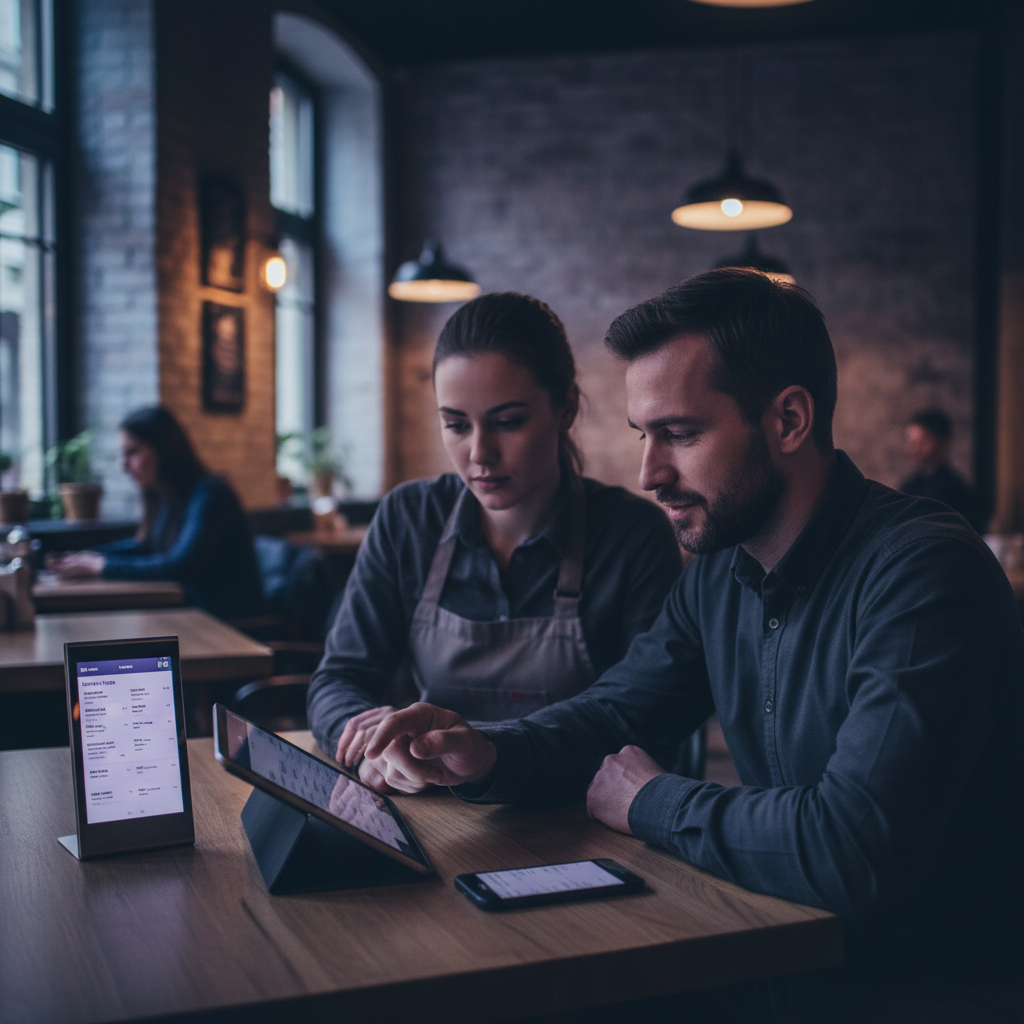
Free Digital Menu for Restaurants
A free digital menu is one of the easiest upgrades a restaurant can make. It gives customers a mobile-friendly way to browse your menu, reduces reprint costs, and makes menu updates far easier than traditional print-only systems.
Build your digital or QR menu in minutes
Try our Free AI Menu Builder for RestaurantsWhat Counts as a Digital Menu
Want a digital menu with QR code for your restaurant? Build your free digital menu — Create a QR menu in minutes — update it anytime, no printing required.
A digital menu can be a web page, a hosted PDF, a QR-linked menu, or a page inside an ordering platform. The best version is a responsive menu page designed for phones, because that creates the best customer experience and is easiest to update.
Best Free Options
Canva works well for free menu creation and can publish web pages. A basic website page also works well if you already have a site. For some restaurants, a hosted PDF is enough as a starting point, though it is less ideal on phones than a true responsive page.
What to Include
Keep categories clear, prices current, and text large enough to read without zooming. If possible, include hero imagery sparingly and make sure any QR code or link opens directly to the menu — not a homepage where customers have to search for it.
A free digital menu is often the first step toward broader digital hospitality infrastructure, including loyalty enrollment, online ordering, and customer re-engagement.
The Business Case for Going Digital with Your Menu
Every restaurant that switches to a digital menu discovers the same thing: the upfront setup pays for itself quickly. Printing menus is a recurring cost that adds up fast — especially when you change prices seasonally, add new dishes, or remove items that are no longer available. A digital menu eliminates that cost entirely and gives you far more flexibility.
Beyond cost savings, digital menus open doors that paper menus cannot. You can show real-time specials, display food photography, highlight allergen information, and even integrate with your ordering or loyalty system — all from one centralized platform that you control.
How to Make the Most of Your Digital Menu
- Update in real time: Remove sold-out items immediately rather than crossing them out or apologizing tableside. Real-time updates protect the guest experience and reduce staff stress.
- Add professional food photography: You don't need a photographer for every dish. A well-lit smartphone photo against a clean background is enough to increase appetizer and dessert attachment rates.
- Organize strategically: Use menu engineering principles to highlight your highest-margin items. Strategic placement — near the top of categories, in a "featured" section, or with a "chef's recommendation" badge — guides guest decisions.
- Include dietary and allergen flags: Guests increasingly scan menus specifically for dietary information. Clear labels for vegan, gluten-free, nut-free, and other attributes improve trust and reduce server questions.
- Link to your loyalty program: Your digital menu is a touchpoint. Use it to invite guests to join your rewards program, earn points for their visit, or sign up for exclusive offers via Loop.fans.
Digital Menus and Customer Data: The Overlooked Advantage
One of the most valuable but least discussed benefits of a digital menu is the data it generates. When guests interact with your menu digitally — scanning sections, viewing items, clicking through to specials — you gain insight into what they're curious about, what they're comparing, and what they're skipping.
This data is genuinely useful. If your lamb chop gets viewed frequently but rarely ordered, that's a signal: maybe the price is a barrier, maybe the description doesn't sell the dish well, or maybe it needs better photography. If your dessert section gets almost no views, the issue might be placement or timing rather than the desserts themselves.
Combined with a loyalty program like Loop.fans, digital menu data becomes even richer. You can connect menu engagement to actual purchase behavior, repeat visits, and customer lifetime value — giving you a clearer picture of what's working and what isn't.
Connecting Your Digital Menu to Loop.fans Loyalty
Loop.fans enables restaurants to turn digital menu interactions into loyalty moments. Guests who scan your menu can be prompted to join your loyalty program, where they earn points for visits, purchases, and content they share. Over time, this creates a virtuous cycle: engaged guests visit more often, spend more, and bring friends.
The integration is straightforward. A link or QR code within your digital menu takes guests to your Loop.fans loyalty landing page. From there, they can sign up, view their points balance, and see available rewards — all without downloading an app.
Common Questions About Digital Menus
Do I need a QR code to use a digital menu?
QR codes are the most common access method, but you can also share your digital menu via a URL, embed it on your website, or link to it from your social media profiles. Many restaurants use all of these simultaneously.
What if guests prefer a physical menu?
Keep a small supply of printed menus for guests who prefer or need them. A hybrid approach respects all guests while capturing the benefits of going digital for the majority.
How often should I update my digital menu?
At minimum, update your menu whenever prices change, items are removed, or specials change. The best practice is to treat your digital menu as a live document — updating it as frequently as your kitchen changes.
Create your menu now — free, no design skills needed
Try our Free AI Menu Builder for RestaurantsBuilding a Stronger Restaurant Business Through Better Systems
Running a restaurant is one of the most operationally demanding businesses in any industry. Margins are thin, staff turnover is high, and guest expectations continue to rise. The restaurants that thrive long-term tend to share a common trait: they invest in systems that make the guest experience consistently excellent while reducing the operational burden on their teams.
Whether that means a better menu management process, a smarter reservation system, a loyalty program that turns one-time visitors into regulars, or a digital presence that converts browsers into bookings — every improvement to your systems compounds over time. Small wins stack up into meaningful competitive advantages.
The Role of Digital Tools in Modern Restaurant Operations
The restaurant technology landscape has expanded dramatically. Tools that were once only available to large chains — digital menu management, loyalty programs, online ordering, automated marketing — are now accessible and affordable for independent operators. The challenge is knowing which tools actually move the needle and which ones add complexity without delivering value.
The most impactful digital investments for most restaurants fall into a few categories:
- Guest-facing tools: Your website, online ordering, reservation system, and digital menu are what guests interact with before and during their visit. These directly affect conversion and experience.
- Marketing and retention tools: Email marketing, loyalty programs, and social media presence are how you stay connected with guests between visits and bring them back.
- Operational tools: POS systems, inventory management, and scheduling software reduce friction and error in day-to-day operations.
- Analytics: Understanding what's working — which menu items, which promotions, which channels — is essential for making good decisions with limited resources.
How Loop.fans Fits Into the Restaurant Ecosystem
Loop.fans is built for restaurants that want to go beyond transactional loyalty. Traditional stamp cards and basic points programs reward spend only. Loop.fans enables you to reward the full range of valuable guest behaviors: visits, referrals, user-generated content, reviews, and social sharing.
The platform is designed to be lightweight for guests (no app download required) and powerful for operators. You can set up your program, define what earns points, and configure rewards in minutes. The data you collect — who your most engaged guests are, what brings them back, what they share — becomes a valuable asset for making smarter marketing decisions.
What Guests Actually Want from Restaurant Technology
Guest research consistently shows that technology is welcome when it makes their experience easier or better — and unwelcome when it adds friction or feels impersonal. The highest-rated digital touchpoints in restaurants are:
- Online reservations and waitlist tools that reduce uncertainty
- Digital menus that are easy to navigate and include photos
- Mobile payment options that speed up the end-of-meal experience
- Loyalty programs that recognize them and offer rewards they actually want
The lowest-rated are often the reverse: clunky interfaces, confusing loyalty programs with unreachable rewards, and technology that replaces human interaction without delivering a better experience in its place.
Practical Next Steps for Restaurant Operators
If you're looking to strengthen your restaurant's digital foundation, a practical starting point is to audit your current guest touchpoints: How easy is it for someone to find you online? How simple is the reservation process? Does your loyalty program actually drive repeat visits? Is your menu easy to read on a phone?
Identify the biggest gap and address it first. Trying to overhaul everything simultaneously rarely works — you end up with half-implemented systems and a team that's overwhelmed. One well-executed improvement, measured and refined, creates momentum for the next.
Ready to build your digital menu?
Try our Free AI Menu Builder for RestaurantsFrequently Asked Questions
What's the most impactful technology investment for a small restaurant?
For most small restaurants, the combination of a clean, mobile-optimized website with integrated online ordering or reservations delivers the fastest ROI. These tools directly increase revenue and reduce the operational friction of managing bookings and orders manually.
How do I choose the right loyalty program for my restaurant?
Start by identifying what behavior you most want to encourage — repeat visits, referrals, social sharing — and find a platform that makes those things easy to reward. Ease of enrollment for guests and ease of management for your team should both be high on your criteria list.
Is it worth investing in digital tools for a restaurant that already has strong word-of-mouth?
Strong word-of-mouth is an asset — and digital tools amplify it. A loyalty program gives your advocates a reason to refer friends, a digital menu gives them something easy to share, and a good website converts the referrals they send into actual bookings.
Getting the most out of free digital menu for restaurants: advanced tips and next steps
Use data to refine continuously
Track which menu items generate the most revenue per square foot of prep space, not just which sell the most units. High-margin, low-effort items deserve prominent placement; low-margin, high-complexity items should be reviewed regularly.
Connect menu strategy to loyalty
Your best-selling items are your loyalty program's best promotional tools. Offering a free version of your most popular dish as a reward drives redemptions, visibility, and word-of-mouth far more effectively than a generic discount.
Test incrementally, not all at once
Menu changes are experiments. Change one section at a time, give it 4–6 weeks, and measure the impact on total covers, spend per head, and reorder rate before making the next change.
Optimize for operational rhythm
The best menus are designed with kitchen flow in mind. Items that share prep components, cooking methods, or timing reduce service friction and improve consistency — especially during peak hours.
Advanced tips and next steps for your restaurant digital menu
A digital menu eliminates printing costs and gives you real-time flexibility. These advanced practices help you use it as a genuine revenue and experience tool.
1. Use your digital menu to actively manage item profitability. Menu engineering — the practice of analyzing each item's popularity and profit margin and adjusting placement accordingly — is far easier with a digital menu. High-margin, high-popularity items should get prominent placement and compelling descriptions. High-margin but low-popularity items deserve better positioning and photography. Low-margin items can be deprioritized or removed entirely without any reprinting cost.
2. Add QR code access points at every table and on your takeout packaging. The more touchpoints where customers can access your digital menu, the more useful it becomes. Tabletop QR codes replace printed menus for dine-in. A QR code on your takeout bags links to the full menu and can encourage a next order. Each access point is also an opportunity to capture feedback, promote your loyalty program, or drive a social media follow.
3. Update your menu based on seasonal ingredients and real-time inventory. The biggest operational advantage of a digital menu is the ability to remove unavailable items or add seasonal specials instantly. Train your kitchen staff or manager to flag item availability changes in real time so the menu always reflects what you can actually serve. Nothing frustrates a diner more than ordering something that turns out to be unavailable.
4. Use your digital menu as a loyalty program entry point. Add a visible loyalty signup prompt to your menu — "Join our rewards club and earn a free appetizer after 5 visits — scan here." A customer who is already engaged with your menu is in the right mindset to take one more action. Digital menus that integrate loyalty enrollment typically see signup rates three to four times higher than standalone sign-up flows.
Your digital menu is updated, flexible, and available to every customer at every touchpoint. Treating it as a strategic business tool — not just a PDF replacement — is what separates the restaurants that get real value from it from those that simply use it to avoid reprinting costs.
Ready to get started?
Launch your free digital loyalty card — No app download required for customers. Set up in 10 minutes.